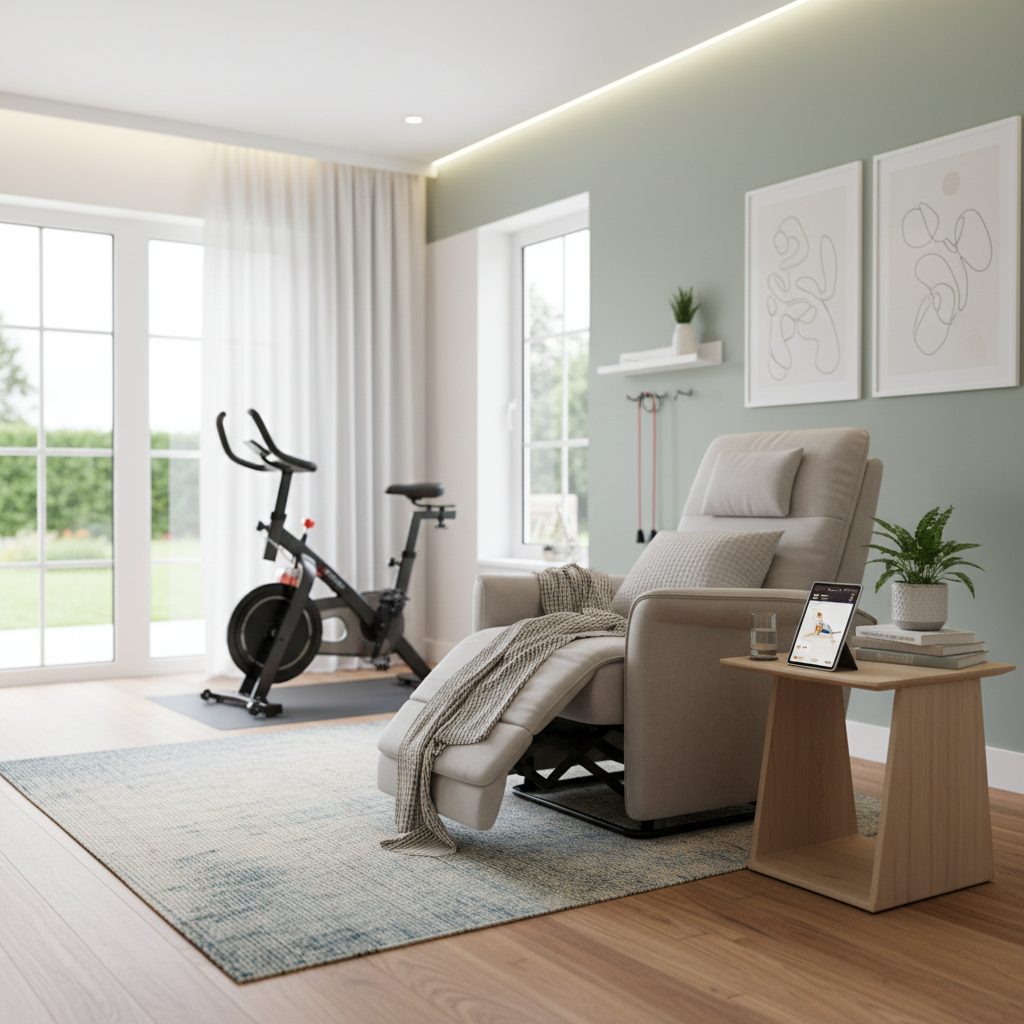
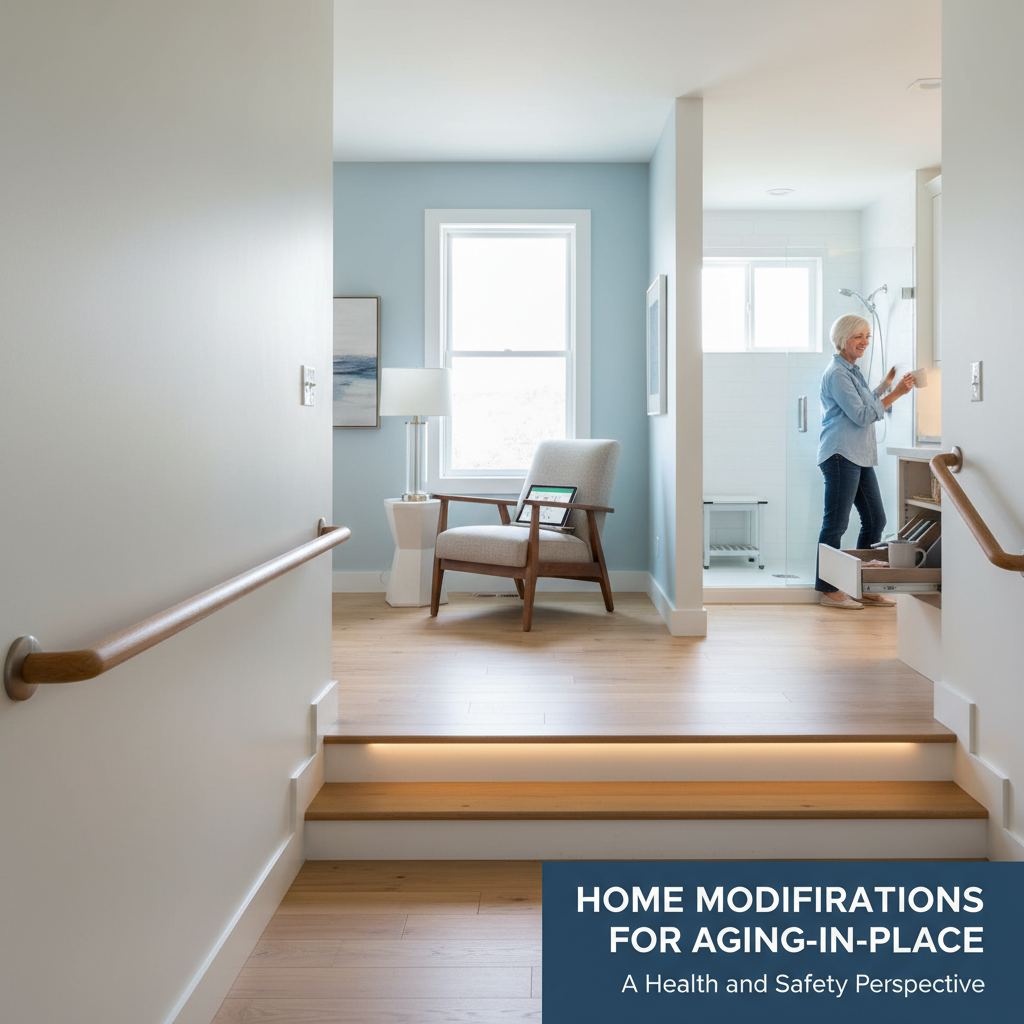
This guide is for people planning to recover at home after surgery (and the family members or caregivers who won't sleep until everything's perfect). You may be worried about pain, falls, infection, or not having the right equipment when you walk in the door — that's normal. Our clinical and home-safety experience can help you map out practical home modifications, medical equipment, and routines so your recovery actually goes forward, not sideways.
How do I prepare my home for post-surgery recovery?
Short answer: plan for safety, simplify daily tasks, and set up predictable routines. Do these three things and most surprises won't land on you. Learn more about simplify daily tasks.
Step-by-step: get a checklist ready; arrange transport from hospital to home; stock simple meals and pain meds; clear walkways; create an easy bedroom and bathroom setup (see below). I’ve noticed people skip small things like charging phones and that always causes avoidable stress. Charge the devices. Put spare chargers by the bed.
What should be done before discharge?
Ask the care team for a written discharge plan — medications, activity limits, wound care, and follow-up appointments. Get prescriptions filled before you leave (or confirm delivery). Arrange at least the first 48 hours of caregiver help (family, friend, or paid aide). Take photos of the incision before you leave (use your phone) so you have a baseline.
Why? Because the first two days are when most confusion happens. You'll be tired, groggy, and more likely to miss a detail. Prep reduces that risk.
What home modifications are usually necessary?
Not every surgery needs big renovations. But some simple fixes make a big difference:
Clear a continuous path from the bedroom to the bathroom - take rugs up, tape cords to the wall, move furniture. Raise the toilet seat or install a seat riser if bending is limited. Put a shower chair and a handheld shower head in the tub or shower area. Install temporary grab bars (suction models for short stays work). Consider a ramp for a single step at the entry. Adjust bed height so feet touch the floor easily when sitting (use firm supports, not cushions that slide).
Look, small changes reduce fall risk dramatically. I've seen patients who could've gone back to the hospital just because hallway rugs stayed in place.
What medical equipment should I have at home?
Common items you'll need: walker or cane; shower chair; raised toilet seat; grab bars; sling or brace if ordered; ice packs or cold therapy system; elevated leg pillow; blood pressure cuff; pulse oximeter (if lung/heart concerns); wound dressings and sterile supplies (as prescribed). A hospital-style bed is helpful for major surgeries, but often a simple bed wedge and good pillows will do.
Rent vs buy? Rent bulky things like hospital beds and oxygen concentrators. Buy smaller reusable items like walkers and socks with grips. Your insurer may cover some equipment — get prior authorization if required. And yes, some suppliers deliver same day (call ahead).
How do I create a healing environment at home?
Healing isn't just meds and dressings. It's sleep, calm, proper light, and low stress.
Optimize sleep by controlling light and noise (blackout curtains, white-noise app). Keep the thermostat comfortable — 68 to 72 degrees usually works. Reduce clutter so every surface can be used, not raced around. Place frequently used items within arm's reach (water bottle, phone, meds). Add natural light during the day, and dim lights at night to support sleep rhythms. Plants are fine (they make a room feel alive) but avoid strong-smelling flowers if you're nauseous.
How should pain, medications, and follow-up be managed?
Get a medication schedule in writing. Use a pill organizer and set alarms on your phone. Track pain on a 0-10 scale and write down what helps and what doesn't. Ask: when should I expect the worst pain to ease; what are acceptable pain levels to resume light activity; when to stop opioids. Write the prescriber's phone number on the fridge.
Why ask this? Because pain management affects mobility, appetite, sleep, and mood. And if you're managing opioids, add a disposal plan for leftovers (local pharmacy takeback or approved bin).
How do I prevent falls and manage mobility?
Non-slip socks, a sturdy walker or cane, proper footwear, and cleared floors are key. Practice safe transfers: sit to stand slowly, use armrests, push up with your strong leg first if advised. For stairs, use a railing and take one step at a time. If you need help getting in and out of bed, have a caregiver assist for the first several times until you're steady.
One trick I recommend: place a nightlight along the path to the bathroom. The extra visibility at 3:00 a.m. avoids many slips.
What do I need to know about wound care and infection prevention?
Always wash hands before and after changing dressings. Follow the dressing schedule the team gave you. Watch for redness that spreads, increasing pain, pus, fever over 100.4F, or a wound that smells bad — call the surgeon immediately. Keep pets off the bed and incision area. And change sheets if they get damp with sweat; moisture breeds infection.
In my experience, patients who take photos of the incision every other day can spot changes early. Email those photos to the clinic if you’re unsure.
How should nutrition and hydration be handled during recovery?
Adequate protein supports tissue repair. Aim for protein at each meal — eggs, Greek yogurt, beans, lean meat, or protein shakes. Drink water consistently (target about eight 8-ounce glasses unless your doctor says otherwise). If constipation becomes a problem (very common after pain meds), add fiber, prune juice, and stool softeners as recommended.
Meal prep tip: batch-cook 4-6 frozen meals (soups, stews, casseroles) so you don't rely on delivery every day. Or arrange meal service for the first week after discharge.
How long will home recovery take and what milestones should I expect?
Recovery timelines vary by procedure. Here are typical patterns: minor outpatient procedures - 3 to 7 days; moderate surgeries (laparoscopic, small incisions) - 2 weeks to 6 weeks; major surgeries (joint replacements, open abdominal surgery) - 6 to 12 weeks or more. Mobility usually improves steadily, but expect plateaus. If you don't see any improvement for 14 days, call your care team.
Milestones: pain controlled on oral meds, ability to walk limited distances, eat and hydrate well, and tend to basic hygiene. Keep a simple daily progress log — distance walked, pain score, appetite — that helps clinicians adjust plans remotely.
Who should help — family, professional caregivers, or home health services?
For the first 48 to 72 hours, someone should be present or on call. If mobility is limited beyond that, arrange home health (nursing, PT, OT) if covered by insurance. PT can teach safe transfers and walking, OT can help with bathing and dressing strategies. If you don't have coverage, some outpatient therapists do house calls for a fee.
If this feels overwhelming, our team can coordinate with your hospital discharge planner to organize in-home visits, equipment delivery, and a caregiver schedule — so you focus on healing, not logistics.
Quick Printable Checklist: 20 Essentials for Home Recovery
1) Written discharge plan and med list
2) Prescriptions filled and pharmacy number saved
3) At least 48 hours caregiver coverage
4) Charged phone and spare charger at bedside
5) Clear path to bathroom and bedroom
6) Non-slip socks and sturdy shoes nearby
7) Walker/cane/crutches ready
8) Shower chair and handheld shower head
9) Raised toilet seat or seat riser
10) Temporary grab bars or suction handles
11) Nightlight on path to bathroom
12) Ice packs and cold therapy as prescribed
13) Pill organizer and alarm reminders
14) Easy access water bottle and snacks
15) Protein-rich meal plan or delivery service
16) Wound care supplies and trash bag for disposables
17) Blood pressure cuff or pulse oximeter if ordered
18) Contact sheet with surgeon, clinic, pharmacist numbers
19) Home health/PT/OT contact (if arranged)
20) Emergency plan if symptoms worsen (transport or 911)
FAQ — People Also Ask
What do I need at home after surgery?
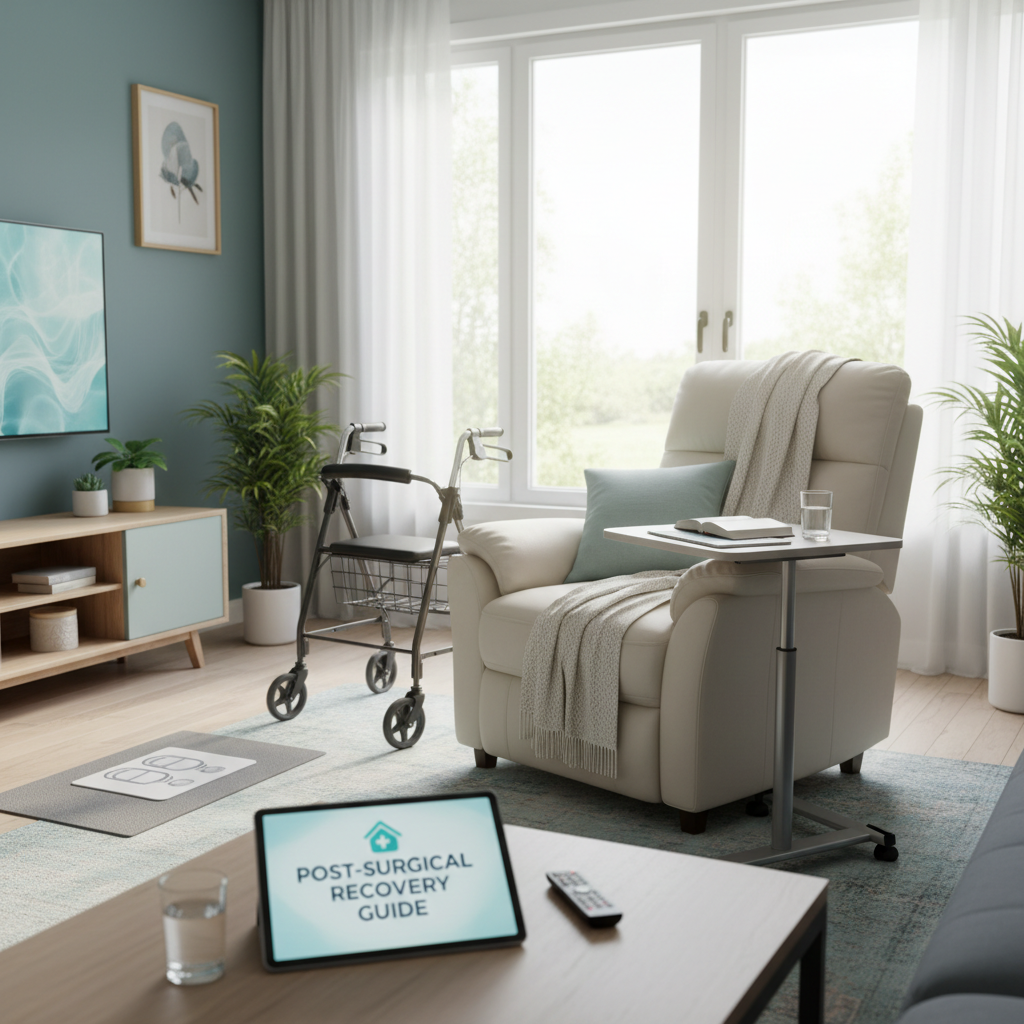
Essentials are mobility aid (walker/cane), a safe bathroom setup (shower chair, grab bars), medication organized, easy meals, and a caregiver for the first 48 to 72 hours. Add monitoring tools (blood pressure cuff, pulse oximeter) if your surgeon ordered them.
How can I make recovery at home easier?
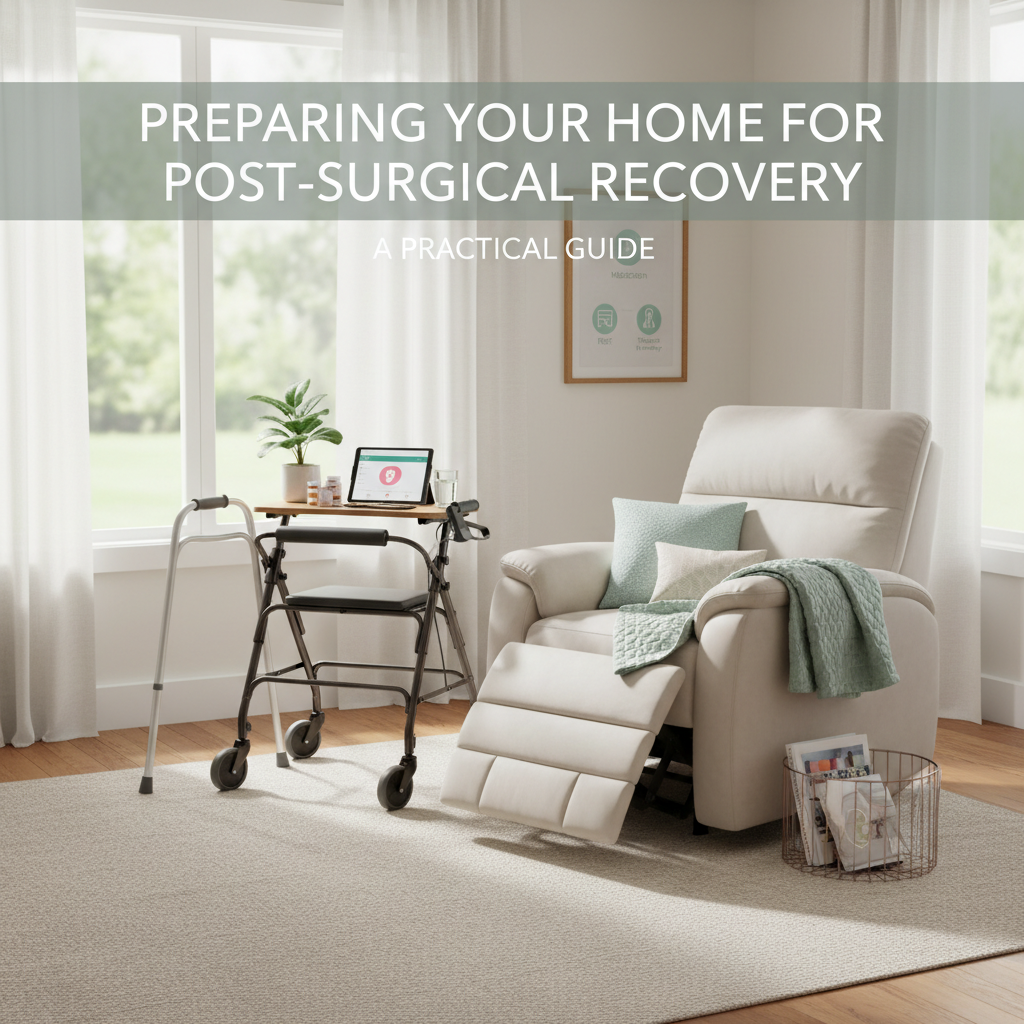
Simplify your environment: put things within reach, reduce decisions (pre-made meals), and follow a written medication and activity plan. Small conveniences — a table beside the bed, long-handled reacher, or a rolling cart — save energy and lower stress.
Do I need special medical equipment at home after surgery?
Possibly. The need depends on the procedure. Orthopedic surgeries often require walkers and raised chairs. Respiratory or cardiac issues might need oxygen or monitoring devices. Ask your surgeon for a tailored list before discharge.
How do I prevent infection at home after surgery?
Keep the incision clean and dry, use sterile dressing changes as instructed, wash hands before touching the wound, and monitor for fever or spreading redness. Call the surgeon for any sudden changes.
Final thoughts
Recuperation at home is a mix of preparation, small investments, and clear communication with your care team. Plan for safety first, then comfort. Ask for help early (you won't be a burden) and track progress in simple numbers — pain score, steps, appetite. It makes follow-up calls faster and more productive.
If handling all of this feels like too much, our coordination service can step in to arrange equipment, home health visits, and a caregiver schedule so you can focus on healing. Call the discharge planner or contact us and we'll help you hit the ground running — safely and sanely.