For homeowners and busy people who want practical home wellness tips
You're tired of getting colds, dealing with allergies, and wondering if your living space is secretly sabotaging your immune system. You want simple, actionable changes that don't cost an arm and a leg and that actually fit into real life. Our team can guide you with clear steps, science-backed tweaks, and a weekend-friendly checklist to improve your home environment and support natural immunity, without the fluff.
How can I boost my immune system at home?
Short answer: make your home support sleep, nutrition, stress control, and clean air. That sounds obvious. But most people skip small daily habits that add up.
Start with sleep. Aim for a cool, dark bedroom and consistent bedtimes. Even one hour extra of quality sleep per night can improve immune response. I've noticed clients who prioritize sleep get sick less often, plain and simple.
Eat to support immune function. Keep your kitchen stocked with vegetables, citrus, whole grains, nuts, yogurt or other fermented foods, and lean proteins. Put healthy snacks within reach (on the counter, not at the back of the pantry) so you actually eat them.
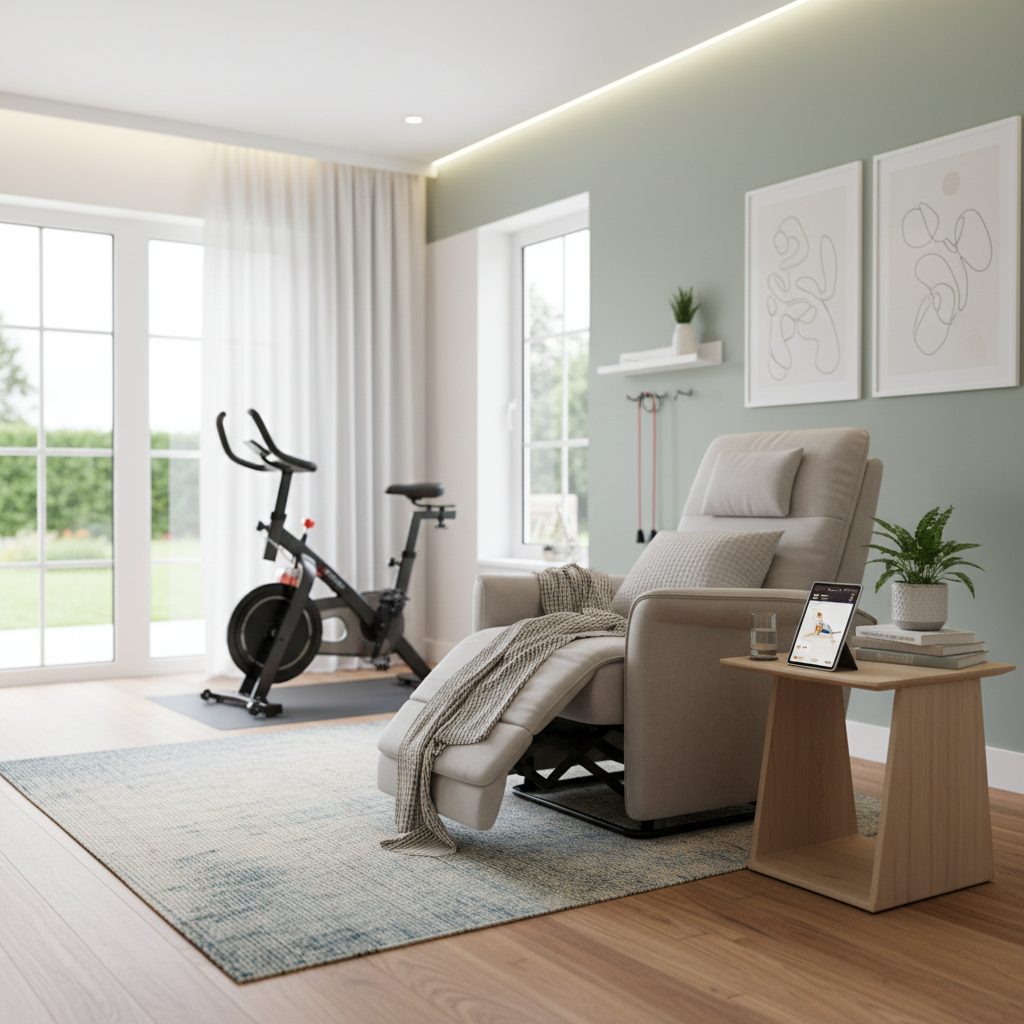
Move inside your home - short bursts of activity matter. Open a window if you're doing cardio, or step outside for 20 minutes of sunlight to help vitamin D production. And manage stress with a dedicated calm corner (a chair, a lamp, maybe a diffuser) where you can breathe for five minutes daily. Stress reduction helps immune regulation, no magic pill required.
What home environment changes improve natural immunity?
Here are targeted home health changes that support your immune system through reducing exposures and improving recovery. Learn more about targeted home health changes.
Air quality matters. Run a true HEPA air purifier in bedrooms and high-use rooms, and ventilate with outdoor air when outdoor pollution is low. HEPA filters capture particles that irritate lungs and provoke immune reactions.
Control humidity. Keep relative humidity around 40 percent to 50 percent - that range helps mucous membranes stay functional and reduces survival of some viruses on surfaces. Use a hygrometer to check, and humidify or dehumidify as needed (more on that below).
Reduce chemical exposures. Swap out high-VOC cleaners and air fresheners for fragrance-free, low-VOC options, or use simple solutions like diluted vinegar for basic cleaning. Harsh chemicals can stress your respiratory system and disrupt skin barriers - both of which affect immunity.
Fix moisture and mold problems fast. Mold spores provoke immune responses and allergies. If you see mold, or smell mustiness, address leaks and dry surfaces quickly, and consult professionals for extensive mold remediation.
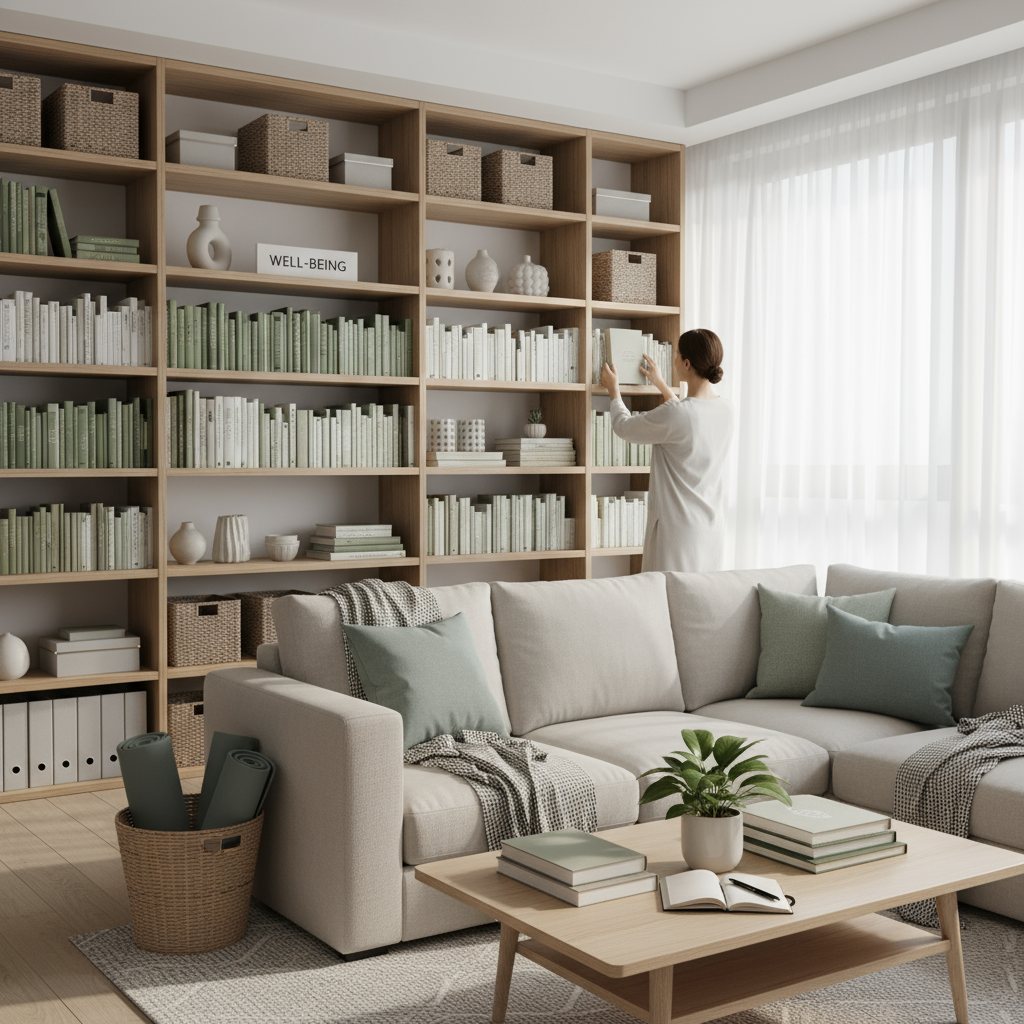
Keep clutter to a minimum. Less clutter means fewer dust traps and easier cleaning, and cleanliness reduces allergen load. It also reduces stress - and again, stress affects immunity. Learn more about reduce stress and boost well-being.
How should I clean my home to support immune health?
Clean smart, not obsessive. You're fighting pathogens and allergens, but you don't need to create a sterile lab.

Focus on high-touch surfaces: doorknobs, light switches, faucet handles, remote controls. Wipe these daily during cold seasons or when someone is sick. Use soap and water for routine cleaning, and a disinfectant (EPA-registered or a 70 percent alcohol solution) for surfaces that might be contaminated by illness.
Avoid overuse of antibacterial products on skin and surfaces because they can promote resistant microbes and strip skin oils. For surfaces where food is prepped, clean thoroughly and sanitize occasionally. For soft surfaces, wash bedding and towels weekly in hot water if possible.
Can indoor plants help my home wellness?
Short answer: plants help mood and humidity, but they won't replace filtration. The famous NASA plant studies showed some filtration potential in sealed chambers, but in real rooms plants have limited measurable air-cleaning effects.
That said, I've seen plants improve wellbeing and reduce stress in homes, and that helps immune function indirectly. Good picks: spider plant, snake plant, pothos, and areca palm - they're low-maintenance and forgiving. Keep plants healthy (no standing water) to avoid mold in soil.
Does humidity really affect illness at home?
Yes. Relative humidity around 40 percent to 50 percent hits a sweet spot - viruses tend to survive less well on surfaces, and your nasal passages stay more resilient.
How to manage it: buy an inexpensive hygrometer, check levels morning and night for a few days, then run a humidifier in winter or a dehumidifier in summer if needed. Clean humidifiers regularly (follow manufacturer instructions) because they can spread microbes if left dirty.
Don't crank humidity over 60 percent - that favors dust mites and mold. Balance is the key, always.
What role does food and kitchen setup play in home health?
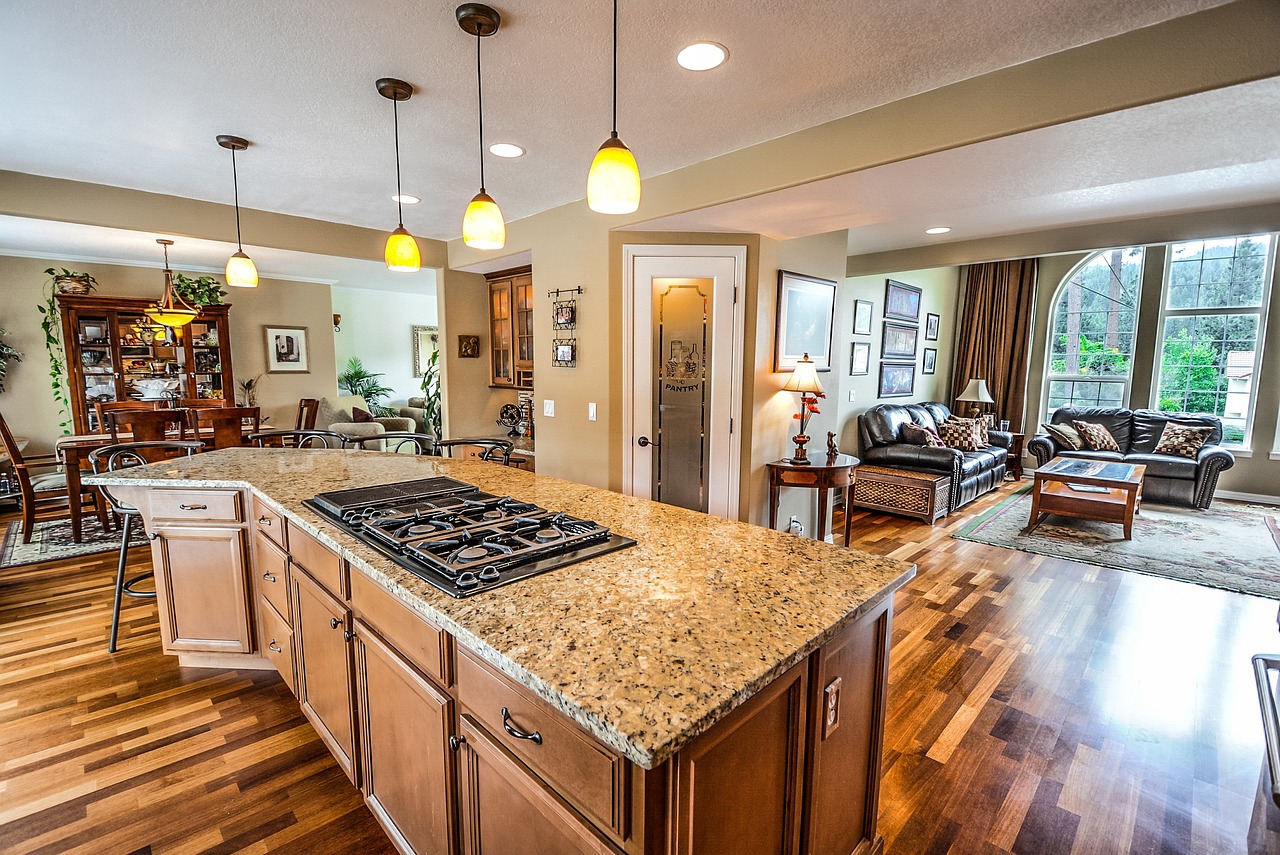
Your kitchen is the frontline for natural immunity. Organized, visible healthy foods lead to better choices.

Store fruit and cut veggies within easy reach. Pre-chop vegetables and keep them in clear containers in the fridge so you'll grab them for snacks. Make batches of bone broth, soups, or stews with garlic, ginger, and vegetables - comforting and nutrient-dense for sick days.
Fermented foods like yogurt, kefir, kimchi, and sauerkraut support gut health, which in turn supports immune function. Start with small servings and see how your digestion reacts.
How should I set up my bedroom for immune recovery?
Bedrooms should be sanctuaries for sleep and recovery. That means dark, cool, and low-noise.
Use blackout curtains, set the thermostat to a cooler temperature at night (about 60 to 67 degrees Fahrenheit is ideal for many people), and remove screens at least 30 minutes before bed. Wash bedding weekly, and consider allergen-proof covers for pillows and mattresses if you have allergies.
Add a HEPA filter in the bedroom if you live in a high-pollution area, and keep pets off the bed if pet dander triggers you. Small changes here yield big returns in immune resilience.
Weekend checklist to improve home wellness fast
Start simple. Here's a practical plan you can do this weekend to boost your home health and support natural immunity.
Day 1 - morning: Open windows for 10 minutes in each room (weather permitting), run a HEPA air purifier in the bedroom, and check humidity with a hygrometer. Clean high-touch surfaces with soap and water.
Day 1 - afternoon: Declutter one high-traffic area (kitchen counter, living-room table), launder bedding and towels, and replace bathroom hand towels. Put healthy snacks in plain sight.
Day 1 - evening: Create a calm corner for stress relief (chair, small lamp, a book), and turn off screens 30 minutes before bed.
Day 2 - morning: Plan 3 healthy meals for the week that include vegetables and fermented foods. Prep one batch-cooked dish you can rely on when life is busy. If you don't have a humidifier and humidity is low, consider getting a small model for the bedroom.
Follow up: If anyone in the household is frequently ill or has chronic respiratory symptoms, schedule a home inspection for mold and ventilation issues. If this feels overwhelming, our team can handle an assessment and simple remediation plan for you, step by step.
Small habits that add up for long-term immune support
Consistency beats perfection. Keep these small habits and your immune system will thank you over time.
Hydrate regularly, wash hands at key moments, prioritize 7 to 9 hours sleep, move daily, and keep a gratitude or stress-log habit for a few minutes nightly. I think the mental element is underrated - feeling safe and calm in your home lowers stress hormones that otherwise suppress immune responses.
Frequently Asked Questions
Can cleaning my home too much weaken my immune system?
No, routine cleaning doesn't weaken immunity. But overuse of antibacterial soaps and constant sterilization of skin can alter normal microbiomes. Clean high-touch surfaces and practice good hand hygiene, but let normal, low-level exposure happen. It's like exercise for your immune system - you want some challenge, not constant chemical overkill.
Do air purifiers really make a difference for immune health?
Yes, in many cases. HEPA air purifiers lower particulate matter like dust, pollen, and pet dander that provoke inflammation and allergy symptoms. For households with asthma, allergies, or pets, a HEPA unit in the bedroom can reduce symptoms and help the immune system work more efficiently. They don't remove gases or VOCs unless the unit includes activated carbon.
Should I take vitamin D at home to boost immunity?
Vitamin D supports immune function, and many people are low. Get a baseline test if you're unsure, then supplement to reach recommended levels under guidance. Natural sunlight through a window helps, but direct sun exposure outdoors for short periods is most effective. Don't megadose; balance matters.
Are natural cleaning products better for home health?
Many low-VOC or plant-based cleaners reduce chemical irritation and smell better for sensitive people. For disinfection when someone is sick, use EPA-registered disinfectants or alcohol solutions on high-touch surfaces. Natural cleaners like vinegar or soap are great for routine cleaning, just avoid mixing products and use appropriate solutions for the task at hand.
How quickly will I see benefits after making these home changes?
Some benefits are immediate - better sleep, easier breathing, fewer allergy flare-ups. Other benefits, like fewer infections, may take weeks to months as habits build. Stick with the small changes, and you should notice improved energy and fewer sick days over time.