Top 12 Home Safety Upgrades for Seniors: Preventing Falls and Accidents
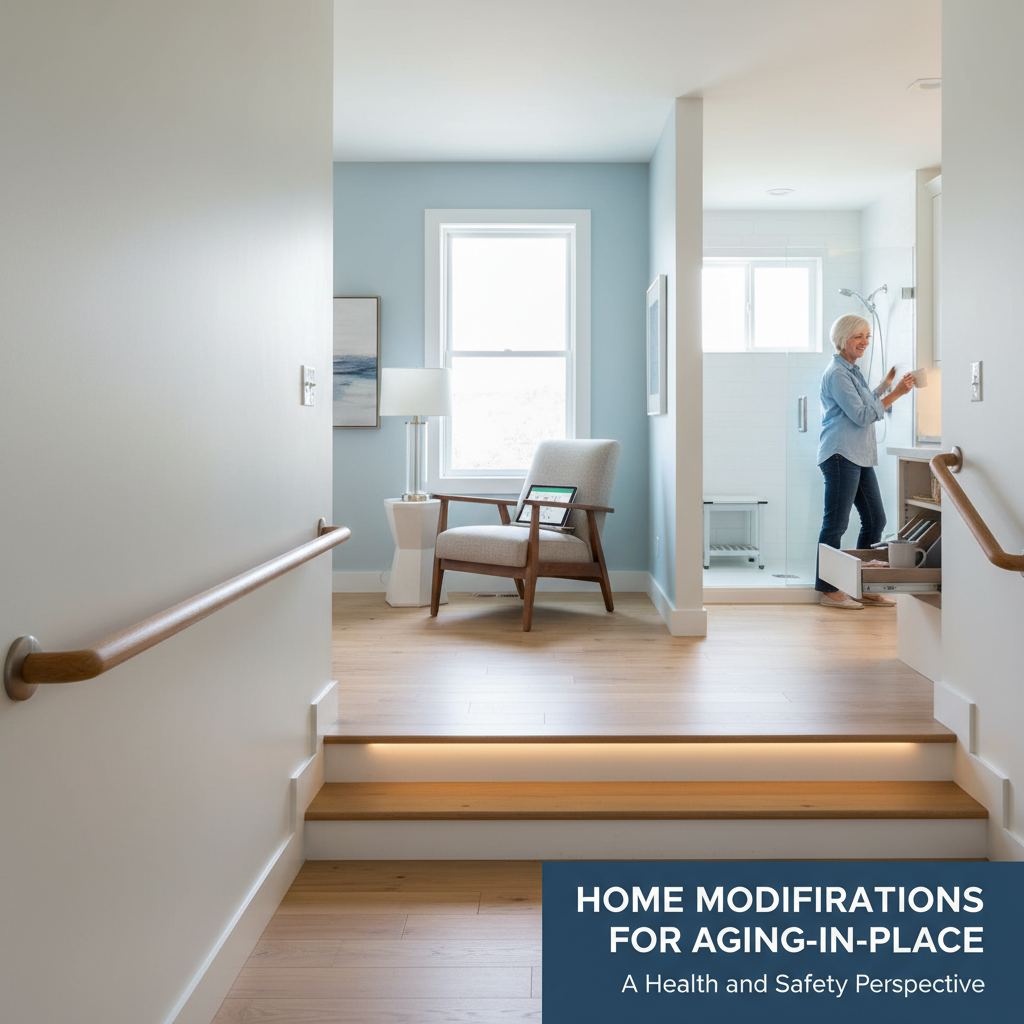
For family caregivers and seniors planning to age in place who worry about slips, trips, and the stress of a hospital trip — you’re not alone. Many people feel anxious about stairs, slippery bathrooms, and getting up at night. Our team helps by advising practical, affordable senior home safety fixes and arranging professional home modifications when needed. Learn more about Home modifications for aging-in-place, so your loved one can stay safer and more independent (without the guesswork).
So here's the deal - this is a practical, numbered list you can use tonight. It’s specific. It’s realistic. And yes, you can start with one small upgrade that pays off fast.
How can I prevent falls for seniors at home?
Start with three quick steps: identify the highest-risk areas, remove immediate hazards, and add one physical support (like a grab bar). Why? Because most falls happen in the bathroom, on stairs, or when moving between rooms. Do a short walk-through and look for loose rugs, poor lighting, and clutter. Then act.
Top 12 home modifications and actions for senior home safety and fall prevention
1. Improve lighting in every room and on all paths
Poor lighting hides hazards. Replace dim bulbs with 800 to 1,100 lumen LED bulbs in main rooms (bright but not harsh). Install night lights in hallways and motion-sensor lights for stairways, closets, and bathrooms (so lights come on automatically at night). I’ve noticed that adding a single motion lamp near the bed cuts nighttime trips in half — sounds dramatic, but it works.
- Action: Swap bulbs and add 3-5 motion lights where needed.
- Cost: $10 to $40 per light for good LED fixtures.
2. Install grab bars and handrails where support matters
Bathrooms and stairways are the obvious spots. Put at least 2 grab bars near the toilet and tub/shower: one vertical for balance, one horizontal for stability (or a 45-degree angled bar). Stairs need sturdy handrails on both sides if possible. Pro tip: anchor into studs, not just drywall. If you don’t know how, hire a pro — it’s worth it.
- Action: Measure, mark studs, and add 2 grab bars in the bathroom now.
- Cost: $30 to $150 per bar plus $100 to $250 installation if you hire someone.
3. Replace or secure loose rugs and add nonslip backing
Loose rugs are stealth hazards. Either remove them entirely or attach them with non-slip pads or double-sided rug tape. For area rugs that you want to keep, use rug grippers and trim corners that curl up. It’s simple. It’s cheap. It saves trips.
- Action: Remove 2 risky rugs tonight. Add grippers to the remaining ones.
- Cost: $5 to $20 per rug pad.
4. Upgrade bathroom safety: walk-in showers, shower seats, and non-slip floors
Bathrooms are where the majority of senior falls happen. Consider swapping a tub for a low-threshold walk-in shower if balance is an issue. Add a fold-down shower seat and non-slip floor strips or tiles. I’d argue the shower seat is the single best buy for peace of mind — it's cheap and instantly useful.
- Action: Add a shower seat and anti-slip strips today, evaluate for a walk-in shower next.
- Cost: $25 for a seat, $10 to $50 for strips, $1,000+ for a walk-in conversion.
5. Clear walkways and create a path for easy navigation
Clutter equals accidents. Create a consistent, obstacle-free route from bedroom to bathroom and kitchen. Move furniture to widen paths, secure charging cords along baseboards, and keep frequently used items within reach (not on high shelves).
- Action: Remove 10 items causing clutter and reorganize main living areas.
- Cost: Usually free, maybe $50 for simple organizers.
6. Add stair safety: nosing, lights, and rethink carpeting
Stairs are unforgiving. Apply high-contrast stair nosing to highlight edges, add stair lighting (step lights or motion sensors), and ensure carpeting is tight and secure. If the stair slope is steep, consider a professional assessment for a rail or even a residential stair lift if mobility is limited.
- Action: Install 1-2 step lights and check carpet tension on stairs this weekend.
- Cost: $20 to $60 per step light, $2,000+ for stair lifts if required.
7. Use assistive devices: walkers, canes, and bedside aids
Properly fitted mobility aids reduce falls. A cane tuned to the correct height or a walker with good hand grips adds stability. Also consider a bedside commode or raised toilet seat for nighttime needs. In my experience, a small investment in the right device prevents a big medical bill later.
- Action: Consult a physical therapist for a mobility assessment, then buy the recommended aid.
- Cost: $20 to $200 for common devices; PT assessments often covered by insurance.
8. Secure transitions: thresholds, rugs, and door sills
Thresholds between rooms and sliding doors can trip people. Install low-profile ramps or threshold reducers, and make sure transitions are well-lit. For sliding doors, mark the bottom rail with reflective tape so it’s visible.
- Action: Fix 3 transition points that cause tripping in your home.
- Cost: $10 to $150 per threshold solution.
9. Improve bathroom and kitchen organization to avoid reaching and bending
Store daily items at waist-to-shoulder height to prevent risky reaching or bending. Pull-out shelves, lazy susans, and slide-out lower drawers reduce the need for balance-challenging maneuvers. Look — ergonomics matter. They feel like small changes but they make life easier.
- Action: Reorganize one cabinet per weekend until the kitchen and bathroom are optimized.
- Cost: $20 to $300 for organizers and pull-outs.
10. Install a medical alert system and check-in routines
Falls aren’t only about prevention — they’re about response. A wearable medical alert device with fall detection can reduce emergency response time. Pair that with a family check-in schedule: a single daily phone call or text reduces risk. Technology doesn’t replace care, but it helps.
- Action: Set up a fall-detection device and a daily family check-in plan.
- Cost: $20 to $50 per month for services; device may be $0 to $200.
11. Evaluate footwear and foot health regularly
Loose slippers, flip-flops, and worn soles are dangerous. Choose supportive, non-slip shoes with closed toes and low heels for indoor use. Also, schedule foot exams — foot pain or neuropathy affects balance. I’d tell you: buy one good pair, not five cheap ones.
- Action: Replace shoes that show wear and get feet checked annually.
- Cost: $30 to $150 per pair for quality indoor footwear.
12. Plan for emergency access and create a quick-response map
If a fall happens, emergency responders need fast access. Keep doors unlocked when needed, post a simple map showing key medical info and where the person usually falls (if known), and store a visible list of medications by the phone. It sounds like overkill, but it's fast help when seconds count.
- Action: Make a one-page emergency map and tape it near the primary entrance.
- Cost: Minimal, maybe $5 for a laminated sheet.
How do you prioritize home modifications for aging in place?
Prioritize by risk and impact. Do this simple ranking: 1) Fix immediate trip hazards (loose rugs, cords), 2) Add supports where falls are most common (bathroom, stairs), 3) Improve lighting, 4) Add mobility aids and medical alerts. Why? Because these actions reduce the highest number of accidents for the lowest cost. Start with two fixes this week and reassess in 7 days.
When should you hire a professional for home modifications?
Call a pro if you need structural changes, such as widening doorways, installing a stair lift, or reconfiguring a bathroom. Also hire a licensed electrician for major lighting upgrades or to add new outlets for medical devices. For grab bars and rails, a handyman is OK if they show you stud placement and use heavy-duty anchors. If you’re unsure, have a certified aging-in-place specialist do an assessment — it costs less than a hospital stay.
How much do common home safety modifications cost?
Here are ballpark numbers from what I’ve seen:
- Grab bars: $30 to $150 each
- Motion lights and night lights: $10 to $60 each
- Shower seat and non-slip strips: $25 to $75 total
- Walk-in shower conversion: $1,000 to $10,000 depending on scope
- Stair lift: $2,000 to $12,000
Some costs are offset by insurance or community grants, and many low-cost fixes still make the biggest difference. Don’t let price stop you from starting with small, high-impact items.
Quick DIY safety checklist you can complete this weekend
- Swap burnt-out bulbs and add 2 motion lights (bedroom and hallway).
- Remove or secure 3 loose rugs.
- Install 2 grab bars or at least buy them and schedule installation.
- Place a shower seat and anti-slip strips in the tub/shower.
- Clear a path from bed to bathroom and tape down loose cords.
Do those five things and you’ll reduce immediate risk by a lot. Honestly, it’s the fastest way to feel safer.
Who should be involved in planning senior home safety?
Include the senior, a family member or caregiver, a primary care provider or physical therapist, and a contractor when modifications are structural. Invite the senior to voice preferences — dignity is as important as safety. From my experience, plans that respect routines are the ones that actually stick.
Frequently Asked Questions
How do I know if my parent is at high risk of falling?
Look for these signs: recent falls, unsteady gait, difficulty rising from a chair, dizziness, vision problems, or medications that cause drowsiness. Simple at-home tests include timing how long it takes to stand from a chair without using hands. If it takes longer than 15 seconds, or they’re wobbly, get a professional balance assessment. Why? Because many falls are predictable and preventable.
Can small changes really prevent hospital visits?
Yes. Small changes like removing rugs, adding grab bars, improving lighting, and using a medical alert system reduce both fall frequency and severity. I’ve seen families cut emergency calls by 60% after targeting the top 3 hazards in their home. It’s not magic, just focused effort.
Are home modifications covered by insurance or Medicare?
Some elements may be covered, especially when prescribed by a physician (medical equipment like walkers). Medicare Part B may cover durable medical equipment but usually not structural home changes. Check local aging services and community grants — there are programs that help with senior home safety upgrades. Call your insurer and local Area Agency on Aging for specifics.
What’s the best first step if my loved one refuses changes?
Start with a conversation that focuses on independence and dignity, not fear. Offer one small change that doesn’t feel intrusive, like better lighting or a comfortable shoe. Invite them to try it for 30 days and then reassess. Family buy-in plus a trial period works more often than insisting on big changes all at once.
How often should home safety be reassessed?
Do a quick reassessment every 6 months and after any health change, fall, or medication update. Mobility and vision can change fast, so regular checks help you stay ahead. Also reassess seasonally: ice and wet leaves create new hazards in winter and fall.