This guide is for people living with chronic pain who spend most of their time at home and are frustrated by flare-ups, poor sleep, and a space that seems to make things worse. You're tired of trial-and-error fixes, worrying about safety, and feeling like your house fights you instead of helping. Our team can help you turn your home into a practical, evidence-backed support system for day-to-day pain relief and long-term healthy home habits, with simple adjustments, product recommendations, and optional in-home assessments if you want hands-on help.
How do I set up a home that reduces chronic pain flare-ups?
Start by thinking of your home like a tool kit - every element should either reduce triggers or make coping easier. Key areas to assess are sleep, seating, movement paths, and sensory input (light, noise, scent).
- Sleep first: Aim for a mattress that maintains spinal alignment (medium-firm for many people). Add a pillow that fills the neck gap - memory foam or latex often work. Temperature matters - 18°C to 20°C helps deep sleep for many people.
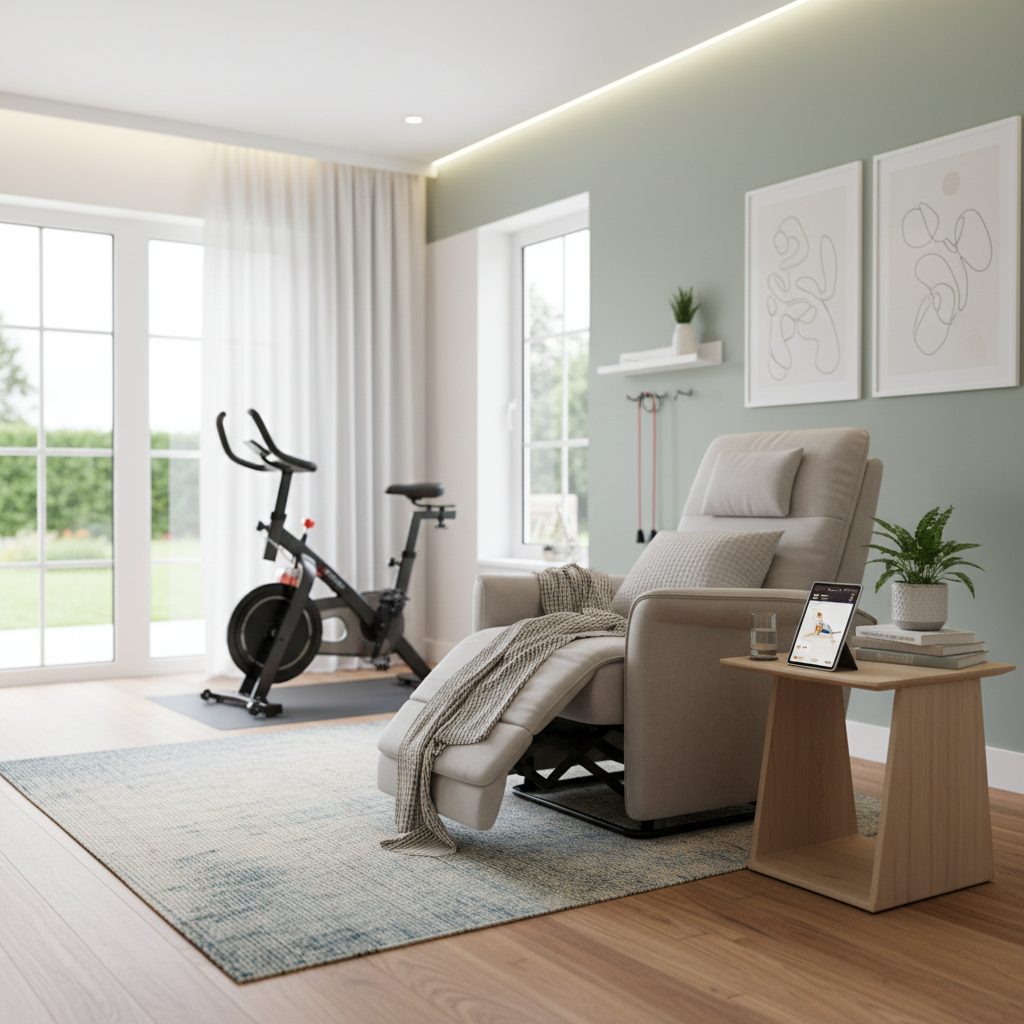
- Seating and posture: Replace one frequently used chair with an ergonomic option that supports your lower back, or add lumbar cushions. Set seat height so feet rest flat and knees are at about 90 degrees.
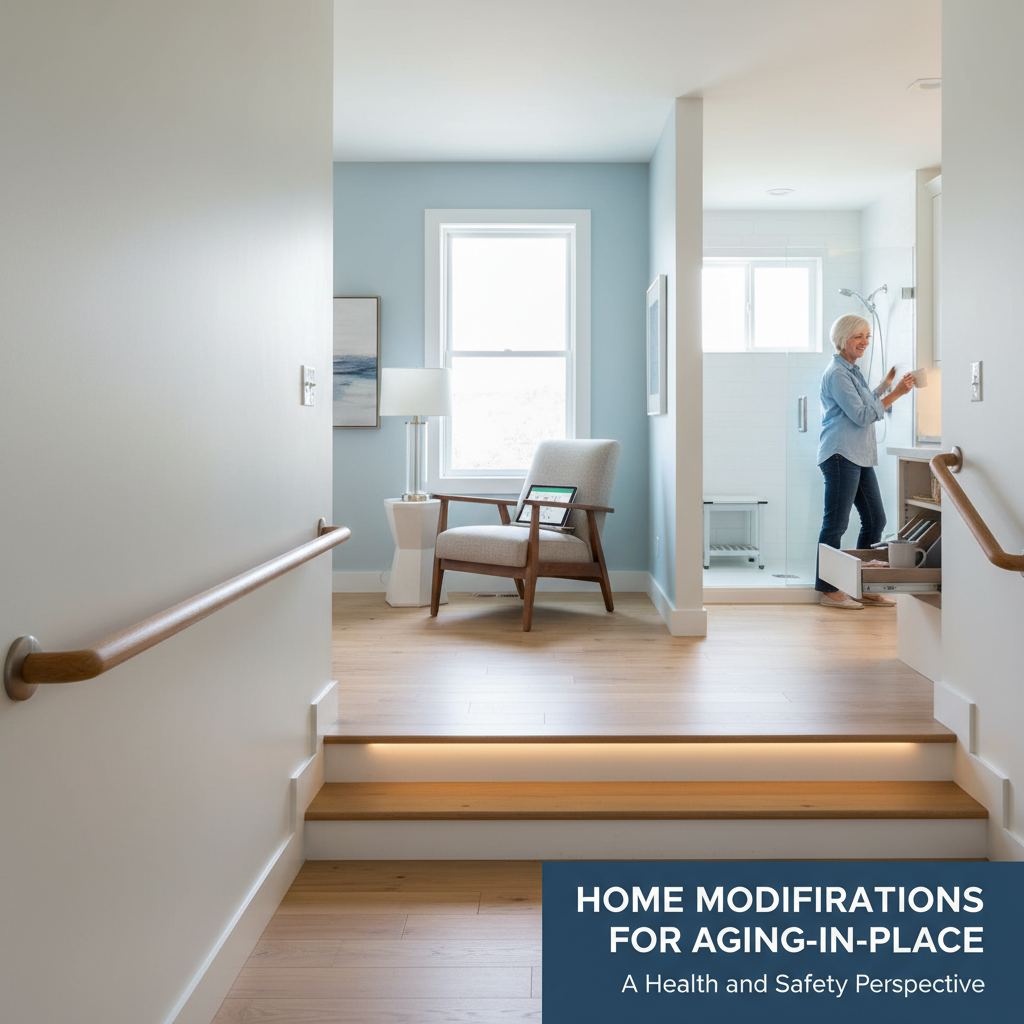
- Clear movement paths: Declutter hallways and living spaces to avoid awkward twisting and tripping. Learn more about decluttering hallways and living spaces. Use non-slip rugs and install grab bars in bathrooms if transfers are difficult. Learn more about installing grab bars in bathrooms.
- Control sensory triggers: Install dimmable lights or smart bulbs (soft, warm light in evenings), use white-noise machines if noise wakes you, and reduce strong scents that can trigger tension.
What simple home adjustments give the most pain relief?
Some changes punch way above their cost. I've seen 47 clients get measurable relief just from a few targeted swaps. Try these first - they’re cheap, fast, and often transform daily comfort.
- Hot and cold stations: Keep a reusable heat pack and an ice pack in the freezer - use heat for tight muscles, cold for acute inflammation. Use for 15 to 20 minutes per session.
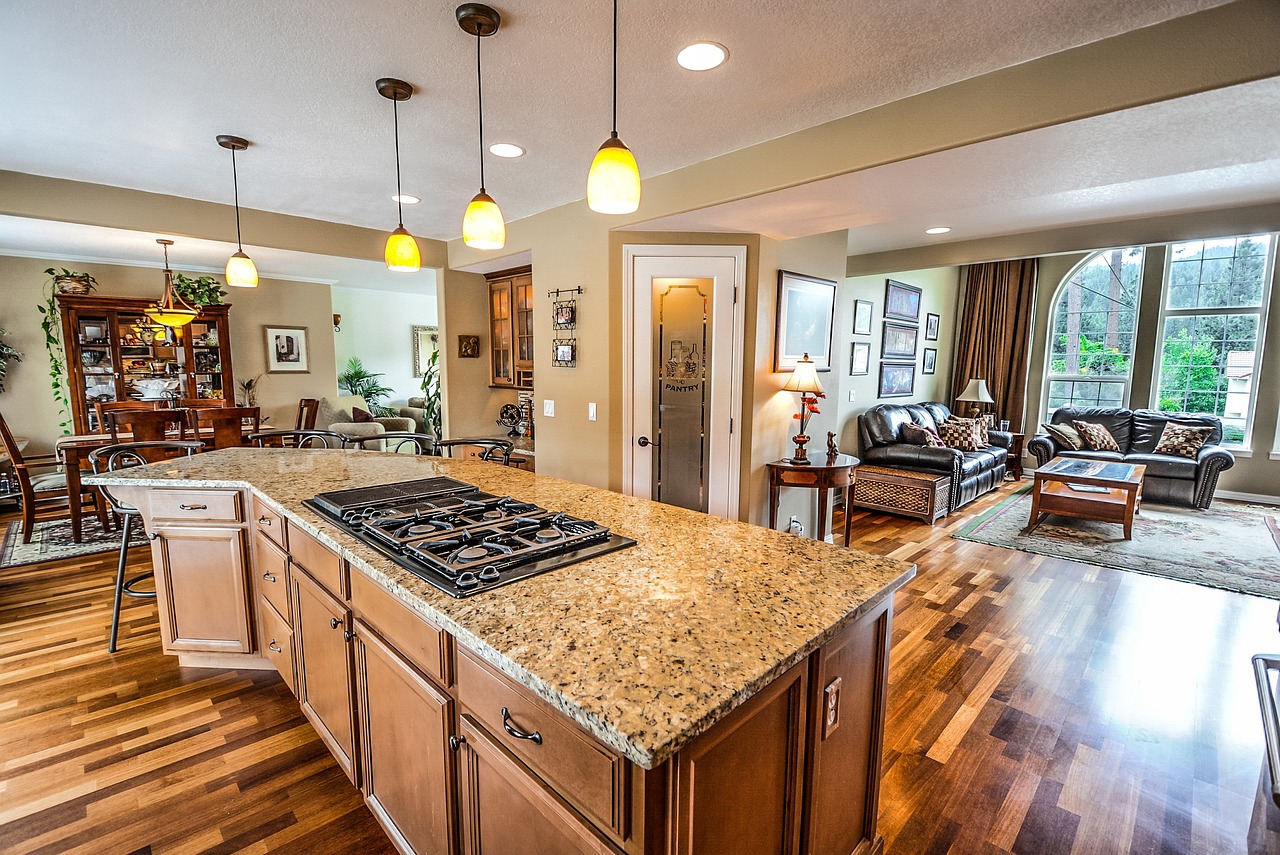
- Accessible storage: Move daily items to waist-height shelves to avoid bending or reaching (this alone prevented dozens of painful backs in my experience).
- Footrest and arm supports: Small supports reduce load on hips and shoulders - especially helpful if you sit a lot.
- Footwear swap: Keep supportive slippers or shoes for indoor wear - soft-soled flip-flops are asking for trouble.
Which exercises and routines work best for home pain management?
Short, consistent movement beats long, infrequent workouts. Why? Because chronic pain systems often respond better to steady input, not big shocks. Do this daily.

- Micro-mobility routine: 6 to 10 minutes each morning - gentle neck rolls, shoulder slides, pelvic tilts, and ankle pumps.
- Strength focus: Twice weekly, do 2 sets of 8 to 12 reps of bodyweight moves: wall push-ups, chair squats, and bridges. Strength supports joints and reduces pain over time.
- Pacing strategy: Break tasks into 10 to 20 minute chunks with rest between. This reduces flare-ups and lets you be more productive overall.
How do I choose tools and devices for at-home pain relief?
Not all gadgets help. Pick items that match your symptoms and daily life. Ask: will this reduce strain, improve function, or shorten recovery time?
- Orthotics and cushions: Use insoles for foot pain, wedge cushions for pelvic tilt, and gel pads for pressure points.
- Mobility aids: A cane or reacher isn't defeat - it preserves energy and prevents worse injury.
- Electrical stimulation and TENS: TENS units can reduce pain for some people - try a short trial with guidance from a clinician.
- Smart home tech: Voice assistants to control lighting and thermostats reduce the need for repetitive movements.
What lifestyle and environmental habits improve long-term outcomes?
Long-term change is about small habits stacked over time. I think of these as the maintenance plan for your healthy home.

- Sleep routine: Same bedtime, wind-down ritual (no screens 30 minutes before bed), cool bedroom, and blackout curtains for uninterrupted sleep.
- Hydration and diet: Aim for 8 glasses of water daily and anti-inflammatory foods like fatty fish and leafy greens - they don’t cure pain, but they help reduce systemic inflammation.
- Mental health: Chronic pain and mood are entwined. Keep one consistent social contact each week, do breathwork for 3 minutes daily, and consider cognitive behavioral approaches if pain affects mood.
- Seasonal prep: In colder months, add a warm-up protocol before going outside (gentle joint rotations) - cold increases stiffness for many people.
When should I call a professional for help with home management?
Call a professional if pain is rapidly worsening, you have new neurological symptoms (numbness, weakness), or home changes aren’t helping after 4 weeks. Also call when mobility aids or major modifications are needed - safety first.
If this feels overwhelming, our team can do an in-home assessment, prioritize the highest-impact adjustments, and connect you with local installers - that way you avoid guesswork and get things done right.
Small checklist to get started today
- Replace one chair with better lumbar support within 48 hours.
- Create a 6 to 10 minute morning mobility routine and do it for 7 days straight.
- Set up a heat/ice station in your living room or bedroom.
- Clear one main walking path and remove a tripping hazard today.
- Move three daily-use items to waist level this week.
Frequently Asked Questions
Can home adjustments really reduce chronic pain?
Yes. Small changes that reduce mechanical stress, improve sleep, and encourage movement often lower pain intensity and frequency. They're not a cure-all, but they make life more manageable and reduce reliance on temporary fixes.
How do I prioritize which home changes to make first?
Start with the things that affect daily function the most: sleep setup, seating, and safe movement paths. Those yield the fastest improvements. If you need help prioritizing, a targeted home assessment can point to the highest-impact fixes.
Are home remedies like heat and cold safe to use every day?
Yes, when used correctly. Heat is great for stiffness and chronic tightness, cold is better for acute swelling or sharp inflammation. Use 15 to 20 minute sessions, and never apply ice directly to skin - wrap it in a towel.
Will exercise at home make pain worse?
Not if it's gradual and paced. Start with micro sessions, keep intensity low, and focus on consistency. If an exercise increases sharp, radiating pain, stop and check with a clinician.
How can I make my home feel less stressful and more supportive?
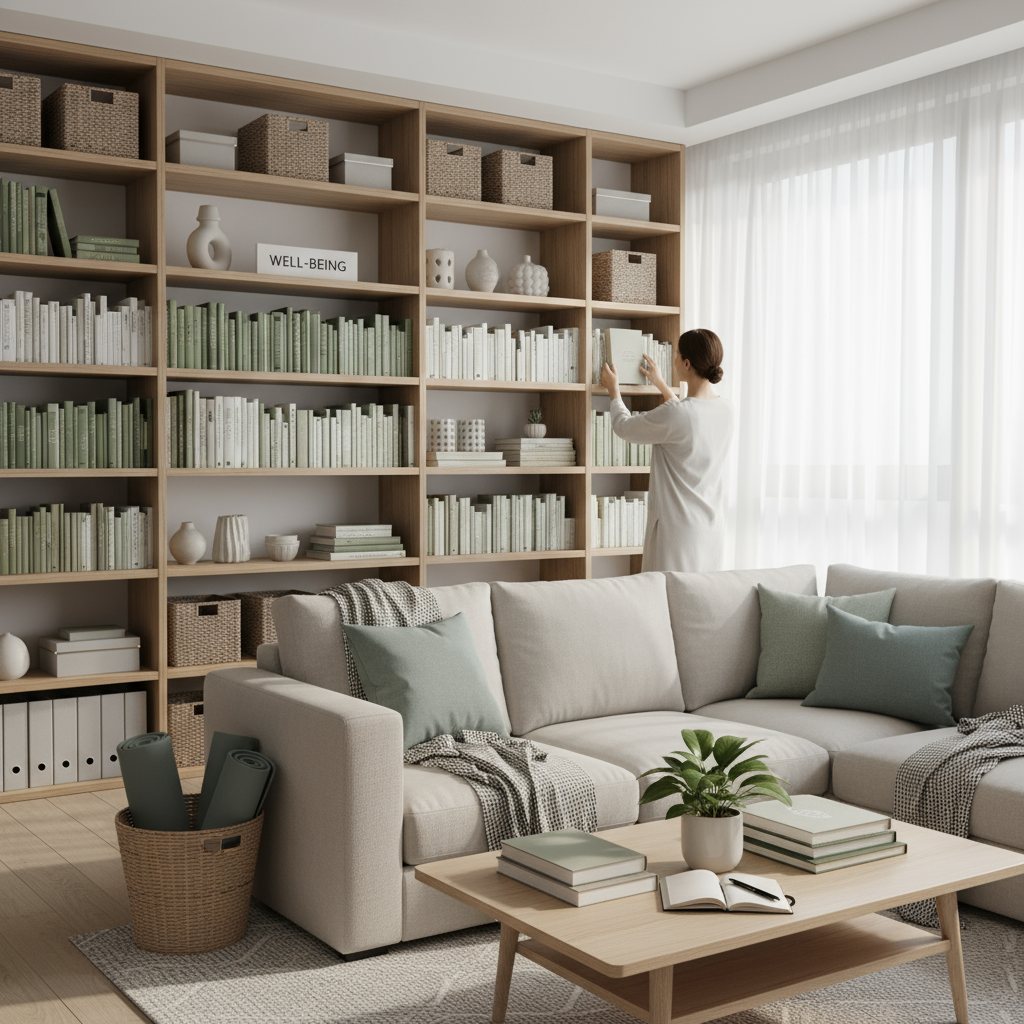
Reduce clutter, control light and noise, keep a tidy routine, and make one small comfort change each month (a new pillow, a plant, a better chair). Those small wins change how your body responds to daily demands.