Homeowners, caregivers, and anyone planning for long-term independence — this is for you. You're worried about falls, frustrating doorways, and the hidden costs of retrofitting, and you don't know where to start or who to trust. Our team performs practical, evidence-backed home accessibility audits that pinpoint risks, prioritize fixes, and map a path to safer, more comfortable living without wasting time or money. Learn more about preventing falls and accidents.
What is a home accessibility audit?
A home accessibility audit is a systematic inspection of a residence to identify hazards and barriers that interfere with safe, independent living. Think of it as a safety and usability scan for every room, entrance, and pathway. Audits focus on mobility, vision, cognition, and daily tasks — all with the goal of improving home safety and comfortable living, especially for people aging in place.
Why get an accessibility audit?
Look, you can guess what needs fixing, or you can find out. An audit gives clear, prioritized recommendations so you won't waste time on cosmetic fixes that don't reduce fall risk. It also uncovers low-cost wins that suddenly make everyday tasks easier.
Who should schedule an accessibility audit?
Anyone who wants safer, more comfortable living should consider one. Common situations:
- Homeowners over 60 planning to age in place. Learn more about home modifications for aging in place.
- People recovering from surgery or injury
- Families with a new mobility aid user (walker, wheelchair, cane)
- Caregivers who need a safer environment for daily tasks
How does an accessibility audit work?
So here's the thing about audits — they're practical and repeatable. Most audits follow 5 clear steps:
- Intake and goals: define priorities (mobility, vision, bathroom safety, etc.).
- On-site assessment: room-by-room walk-through, measurements, task observation.
- Risk scoring: each barrier gets a risk level and cost estimate.
- Action plan: immediate fixes, mid-term projects, long-term recommendations.
- Follow-up: check progress and adjust the plan after modifications.
Assessments typically take 60 to 90 minutes for a 3-bedroom home, but can be shorter or longer depending on complexity.
What auditors look for
Common focus areas include:
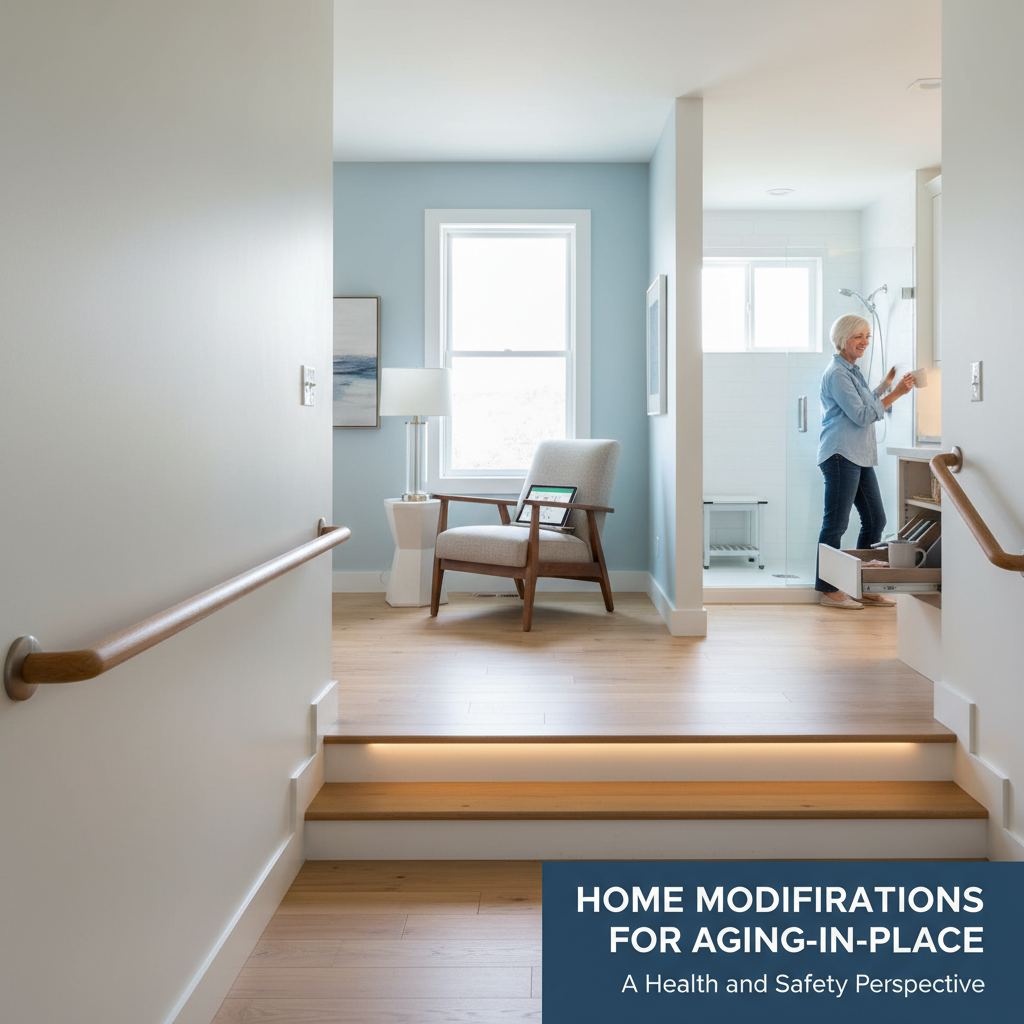
- Entrances and thresholds (ramps, non-slip surfaces)
- Hallway clearance and turning radius for mobility aids
- Bathroom grab bars, raised toilet heights, curbless showers
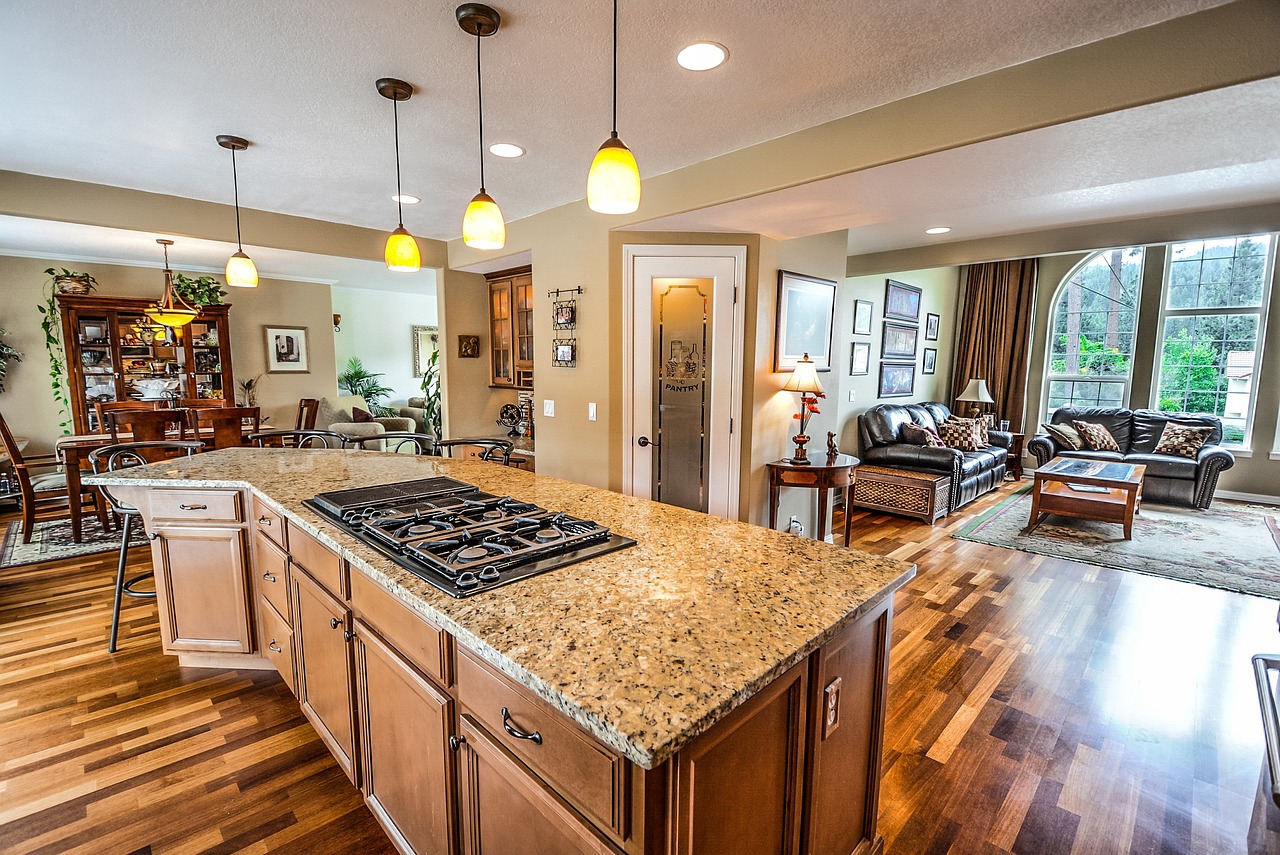
- Kitchen reachability and task lighting
- Stair safety, handrails, step uniformity
- Lighting levels, glare reduction, and color contrast for vision
Top 5 high-impact changes that audits often recommend
These fixes often give the biggest improvement in home safety and comfortable living, and they usually don't cost an arm and a leg.
- Install grab bars around the toilet and in the shower (investment: $100 to $300).
- Add non-slip flooring or rugs with non-slip backing (cost varies, low effort).
- Widen doorways or adjust swing for a clear 32-inch opening where needed (when possible).
- Replace a tub with a curbless shower or add a transfer bench (bigger project, big payoff).
- Improve lighting: 300 to 500 lux in task areas and contrast strips on stairs.
How to prioritize accessibility improvements
Priority comes down to two questions: Will this reduce immediate danger? And does it enable independence for daily tasks? Start with fixes that remove fall risk and allow basic self-care.

Example prioritization sequence:
- Fix trip hazards and improve lighting
- Add grab bars and non-slip surfaces in bathrooms
- Improve entrance access (ramps, handrails)
- Reconfigure kitchen work zones for seated access
- Plan major renovations like stair lifts or bathroom re-layouts
How much do accessibility audits and improvements cost?
Audits themselves usually range from $150 to $450 depending on assessor expertise and travel. Small modifications often cost less than $1,000. Major remodels (curbless showers, door widening) typically range from $5,000 to $25,000. Those sound like big numbers, but I've seen a single $350 grab bar install stop repeated 911 calls for one client, so the ROI can be immediate.
DIY vs professional audits: which should you choose?
If you're handy and just want quick wins, a DIY checklist helps. But pros catch things most people miss — exact measurements, mobility aid clearances, and subtle lighting issues. Occupational therapists and certified aging-in-place specialists bring clinical and construction knowledge. If this feels overwhelming, our team can handle the full audit and connect you with trusted contractors.
Common barriers auditors find
Some barriers keep showing up, again and again:
- Loose rugs and cluttered walkways
- Toilets that are too low for safe transfers
- High kitchen counters and unreachable storage
- Switches and thermostats placed too high
- Poor contrast and inadequate lighting for low-vision users
Measuring success after an audit
Good audits set measurable goals: fewer trips and falls, greater task independence, less caregiver strain. Track simple metrics like daily steps in the house, number of assisted transfers per week, or subjective comfort scores using a 1 to 10 scale. In my experience, clients often report a 2 to 4 point improvement in comfort within 6 weeks of completing recommended changes.
Frequently Asked Questions
How long does an accessibility audit take?
Most audits take 60 to 90 minutes for an average home. Larger properties or multi-resident households can take 2 hours or more.
Will my insurance cover an accessibility audit or modifications?
Some programs and insurers cover assessments and certain modifications, especially after a hospitalization. There are also state and local grants for aging-in-place projects. It's worth calling your insurer and local aging services office — I've found people often don't check these options, and they're pleasantly surprised.
Can small changes really make a difference?
Yes. Simple fixes like grab bars, better lighting, and decluttering usually reduce falls and make daily tasks easier. They cost far less than major renovations and often deliver immediate benefits.
How do I find a qualified auditor?
Look for certified aging-in-place specialists, occupational therapists, or home modification professionals with references. Ask for a sample report, and make sure recommendations include measurable actions and estimated costs.
Ready to get started? If you'd like, we can walk you through a quick phone intake and send a tailored checklist you can use right away. Real talk — small steps now prevent big problems later. Let's make the home safer and more comfortable, together.