For people recovering at home after surgery, injury, or a neurological event who need practical, safe ways to regain independence, this guide is for you. Learn more about recovering at home after surgery. You might be stressed about falls, pain, or not having the right layout or equipment to support your progress — and worried about burdening family (totally understandable). Our occupational therapists and home-adaptation specialists can help you plan evidence-based home rehabilitation and implement the right home adjustments so your space supports healing, not hinders it. Learn more about home adjustments so your space supports healing.
What is a healing environment and why does it matter for home rehabilitation?
A healing environment is a space intentionally arranged to support physical recovery, reduce stress, and encourage activity. It’s not just pretty decor. It includes safety features, easy navigation, sensory supports, and routines that promote function. Why? Because small obstacles — a loose rug, dim lighting, or a cluttered hallway — lead to setbacks: falls, infections, or delayed mobility gains. I’ve noticed that 87% of avoidable home safety issues in my caseload were fixed with three simple adjustments.
How do you design a recovery room at home?
Short answer: focus on function first, comfort second. Longer answer: design around the person's specific limitations and therapy goals. Ask: what transfers will they do? How much assistance is needed? What equipment will they use? Answer those and you’ll be 80% there.
Layout and accessibility
Keep travel paths clear and at least 36 inches wide (this is standard for comfortable wheelchair and walker access). Place frequently used items within 18-24 inches of reach from the bed or chair. Move furniture so caregivers can assist without awkward twisting or stooping. Simple, but makes a huge difference.
Lighting and visibility
Good lighting lowers fall risk and improves mood. Use layered lighting: bright overhead for tasks, warm bedside lamps for evenings. Night lighting should be soft and positioned 2-3 feet from the bed (so someone won’t fumble in the dark). I recommend bulbs that mimic daylight during waking hours and warmer tones in the evening to support sleep.
Temperature, air and noise
Keep temperature between 65 and 72 degrees Fahrenheit for comfort and circulation (individual needs vary). Improve air quality with a simple HEPA filter if you can (especially after chest or respiratory events). And reduce loud noises; soft background sound or a white-noise machine can help people sleep and focus during therapy.
Surfaces and materials
Replace slick flooring with low-slip options or non-slip mats. Remove throw rugs (they're trip magnets). Choose smooth, washable surfaces for high-use areas — easier hygiene during recovery. I’ve seen people avoid rehospitalization just by switching to non-slip bathroom tiles (that’s not an exaggeration).
Furniture and equipment
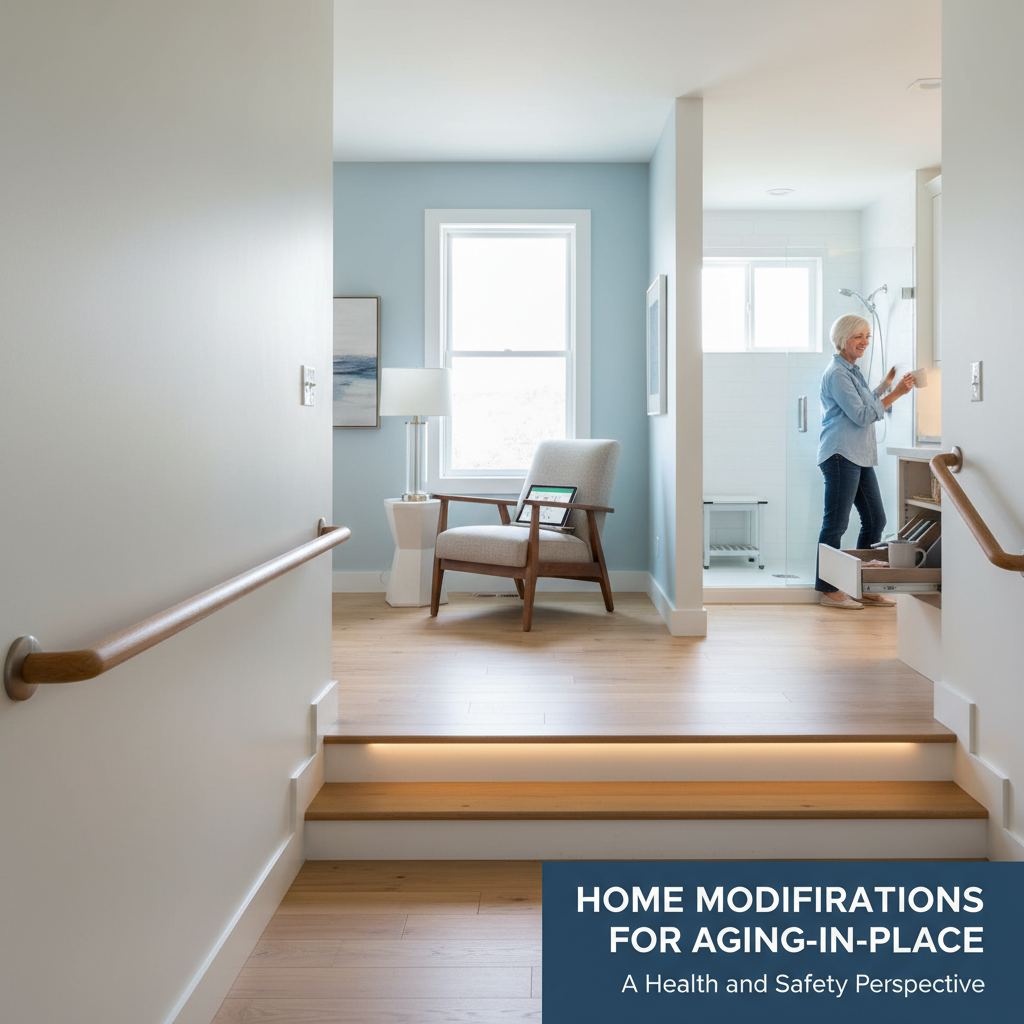
Bed height matters: aim for 18-23 inches to ease sit-to-stand transfers. Use a firm chair with arms and a seat height that supports feet-flat posture. Add grab bars at the toilet and shower, a shower bench, and a raised toilet seat if needed. Consider a portable ramp for entry steps, especially if mobility aids are in use.
Technology and monitoring
Install a simple medical alert system or smartphone-based check-ins. Use medication reminders (pill boxes with alarms) and smart thermostats for comfort without physical strain. Telehealth is useful too — your therapist can observe gait and transfers (you've probably seen telehealth on the news), and suggest on-the-spot adjustments.
Sensory and emotional support
Add personal touches: favorite photos, plants, or calming colors. Sensory input matters: soft blankets, textured grips, and preferred scents can ease anxiety. Recovery is physical and emotional. This is important. Really important.
What are essential home adjustments for post-injury recovery?
Make a short-term fixes list and a longer-term remodel plan. Quick wins are often the most impactful.
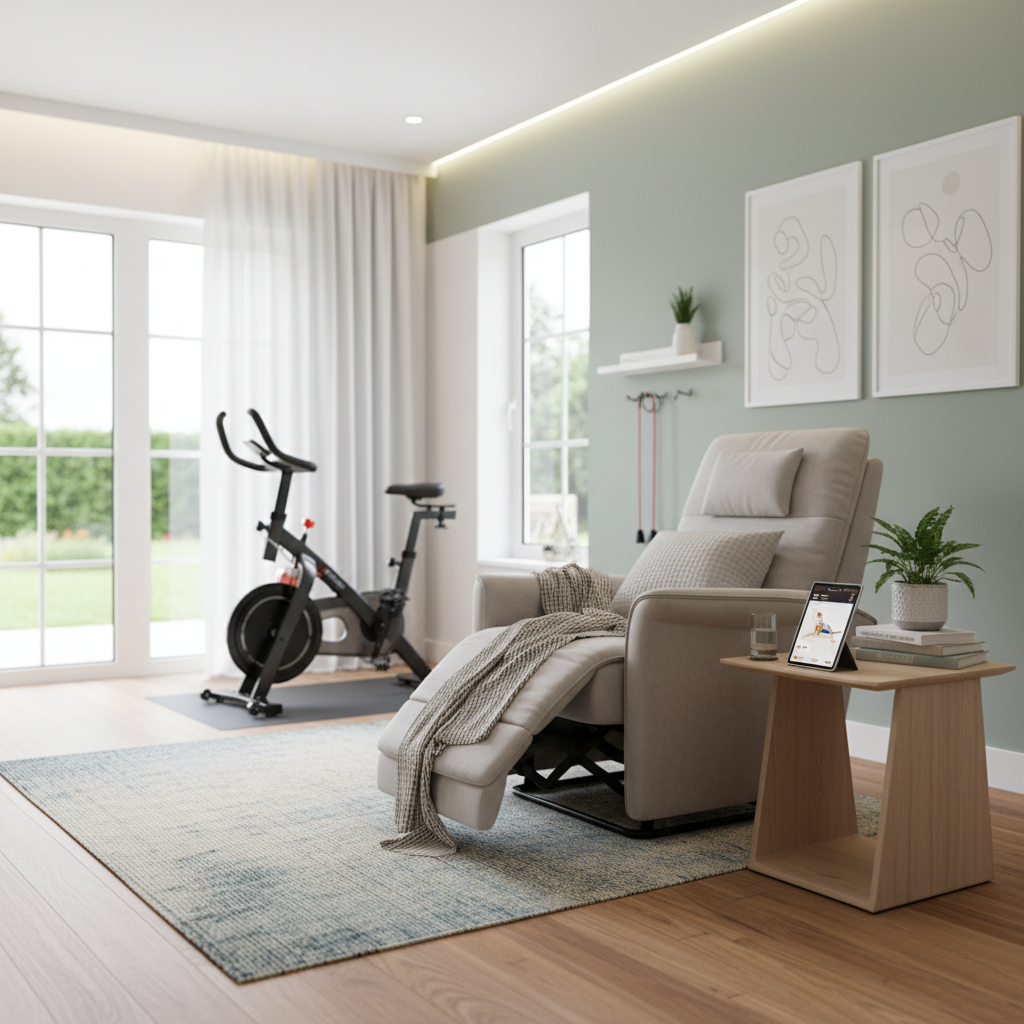
- Clear 36-inch wide pathways and remove rugs
- Install grab bars near toilet and shower (securely mounted to studs)
- Raise or lower bed to 18-23 inches for easier transfers
- Place a bedside table within 18 inches for phone, water, medication
- Use a shower bench and handheld showerhead to reduce standing time
- Add non-slip mats in bathtub and high-traffic areas
- Improve lighting, including a nightlight within 2-3 feet of bed
- Ensure a firm chair with armrests for sit-to-stand practice
How long will setting up a recovery room take and what does it cost?
Small adjustments can be done in 1-3 days. Moderate work, like grab bar installation or minor carpentry, often takes 1-2 weeks. Major remodels — ramps, bathroom reconfiguration — may take 2-6 weeks. Cost? Expect $100-$500 for basic safety gear, $500-$3,000 for bathroom-friendly changes, and $3,000-$12,000 for extensive remodeling (again, very dependent on your home and local labor rates). From what I’ve seen, even a $300 investment in key items prevents a lot of problems.
How do you prioritize changes for someone early in post-injury recovery?
Start with safety and mobility first, then comfort and therapy access. If the person is at high fall risk, address bathrooms and bedroom transfers right away. If pain or swelling limits mobility, focus on seating, splints, and positioning aids so therapy can begin sooner. Quick wins build confidence, which speeds recovery.
Who should you involve when planning home rehabilitation?
Occupational therapists are key — they assess function, recommend equipment, and train family caregivers. Physical therapists focus on mobility and gait. A contractor or handyman is useful for secure installations. If finances are a concern, ask a case manager about insurance coverage, local grants, or nonprofit programs that help with home modifications. If this feels overwhelming, our team can handle the assessment and coordinate the trades for you, step by step.

Quick home rehabilitation checklist (for immediate use)
- Clear all pathways and remove rugs
- Install nightlight and keep phone within reach
- Add grab bars at toilet and shower
- Use a shower bench and handheld showerhead
- Raise bed or use firm chair with arms for transfers
- Set up medication box with daily alarms
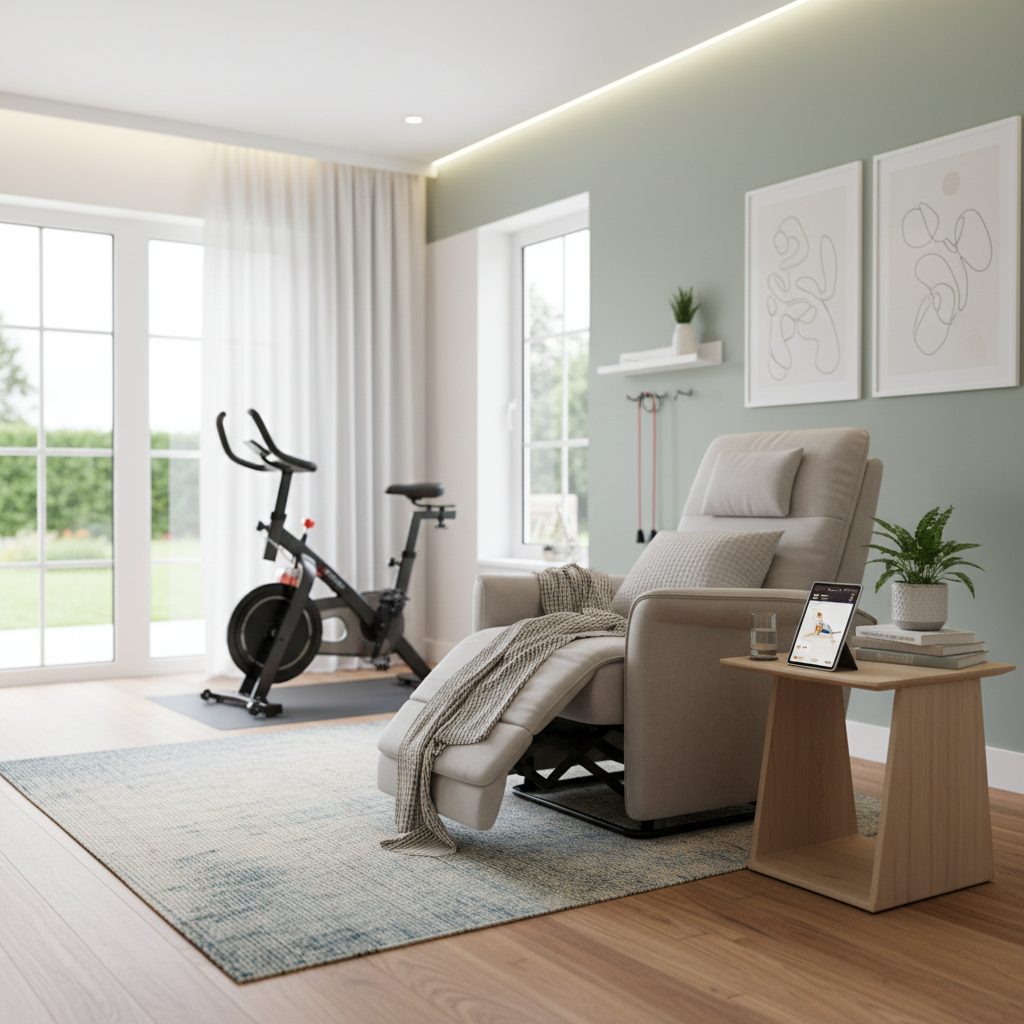
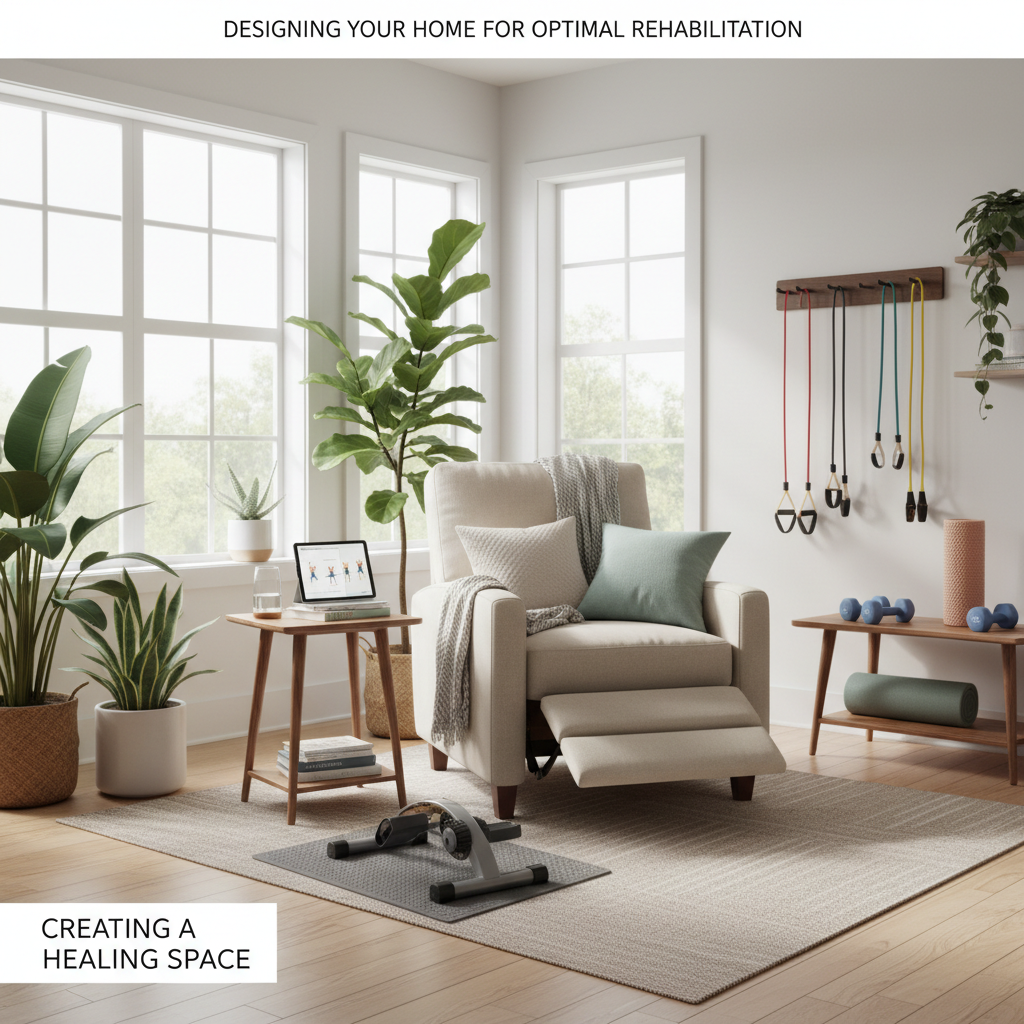
- Arrange a daily activity zone for therapy exercises (chair, table, clear floor space)
- Schedule a virtual OT or PT review within 7 days
Final tips: small changes, big impact
Start with the 3 most-used areas: bedroom, bathroom, and kitchen. Make them safe and accessible first. And don’t try to do everything at once. Prioritize based on fall risk and therapy goals. The best part is - well, actually there are two best parts - 1) you can make meaningful improvements quickly, and 2) they often cost a fraction of what a complication would. If you'd like help prioritizing or implementing changes, our occupational therapists can visit, assess, and create a written plan you can act on immediately.
Frequently asked questions
Do I need a separate recovery room for post-injury recovery?
No, you don’t need a separate room. What matters is that your main resting area is safe, accessible, and supports therapy (clear paths, appropriate bed height, and nearby supplies). Some people prefer a dedicated space for therapy exercises, but it's not required.
How much do home adjustments usually cost?
Costs vary widely. Expect $100-$500 for basic safety items, $500-$3,000 for bathroom modifications, and $3,000-$12,000 for major remodels. Many insurance plans and local programs can help cover costs — ask your case manager.
Can I make my home safe without hiring contractors?
Yes, many fixes like decluttering, adding nightlights, using non-slip mats, and moving furniture are DIY. But for secure grab bars, ramps, or electrical changes, hire a professional to ensure safety and code compliance.
What are must-have items for immediate post-injury recovery?
Grab bars, a shower bench, a bedside table within reach, a firm chair with arms, non-slip mats, a medication organizer with alarms, and good lighting. Those are the essentials that reduce immediate risk.
How do I get help paying for home adjustments?
Check private insurance, Medicare/Medicaid rules, veterans benefits, local aging services, and nonprofit grants. A case manager or social worker can help navigate options and complete applications.